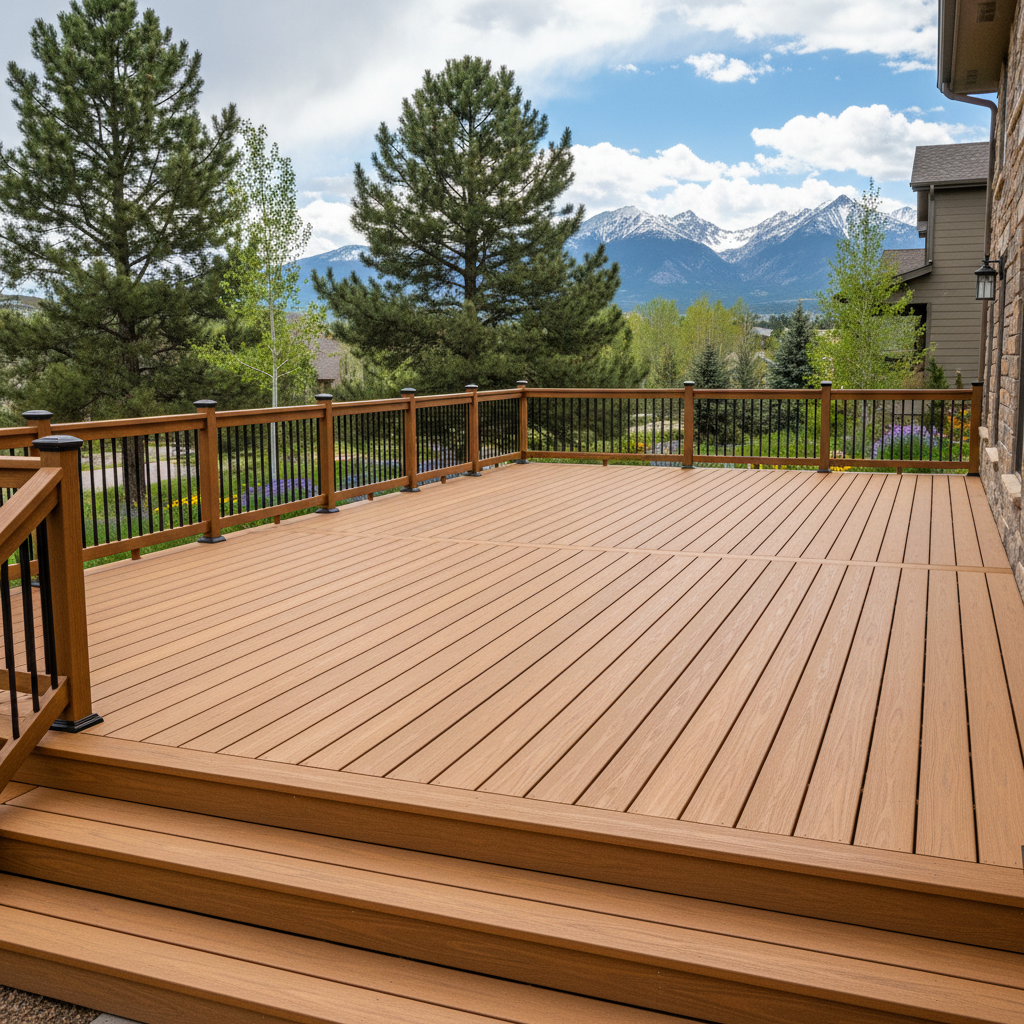
So you’ve got a Trex deck. Smart move. You probably picked it because you heard it was ‘maintenance-free’ or at least ‘low maintenance.’ And yeah, compared to a traditional wood deck, it absolutely is. You’re not sanding, staining, or sealing every couple of years. But 'low maintenance' doesn't mean 'no maintenance.' If you want that deck to keep looking as good as the day we installed it – and last for the 25+ years it's designed for – you've got to put in a little effort. Especially here in Denver, where our climate can be pretty brutal.
Regular Cleaning: Your First Line of Defense
This is the big one, and it's super simple. You wouldn't let your car go months without a wash, right? Same principle applies to your deck. Dirt, dust, pollen, leaves, pine needles from those Ponderosa pines – they all land on your deck. If you let them sit, they can trap moisture, promote mildew growth, and just generally make your deck look dingy. Plus, our dry Denver air means dust settles fast.
- Sweep it regularly: A good, stiff broom once a week or every couple of weeks is usually enough to get rid of loose debris.
- Wash it down: For a deeper clean, grab a hose and a soft-bristle brush. Use a mild soap (dish soap works fine) and scrub in the direction of the grain. Rinse thoroughly. Don't let puddles sit too long, especially in shaded areas.
- Tougher stains: For things like food spills, grease, or even those stubborn red berries from a nearby bush, Trex has specific cleaning recommendations. Generally, a composite deck cleaner or a mixture of warm water and oxygenated cleaner (like OxiClean) can do the trick. Always test a small, inconspicuous area first.
- Pressure washing: You can pressure wash Trex, but you need to be careful. Use a fan tip (not a pinpoint jet) and keep the pressure below 1,500 PSI. Hold the nozzle at least 8-12 inches away from the surface and sweep evenly. Too much pressure or getting too close can damage the surface, even on composite. I've seen folks blast off the top layer, and trust me, that's not a warranty issue, that's user error.
Dealing with Denver's Climate Challenges
Our weather here isn't just sunny and 300 days a year. We get intense UV, sudden hailstorms, heavy snow, and then rapid thaws. All of this impacts your deck.
- Snow and Ice: When it snows, you can shovel your Trex deck. Use a plastic shovel, not metal, to avoid scratching the surface. If you need to use de-icing products, make sure they're safe for composite decking. Calcium chloride is generally okay, but always rinse it off thoroughly once the snow and ice are gone. Don't use rock salt or products containing dyes, as they can stain.
- UV Protection: Trex is designed to resist fading, but prolonged, intense sun exposure (like we get at 5,280 feet) can still take a toll over decades. Keep it clean, and if you have an awning or umbrella, use it.
- Moisture Management: Even though Trex doesn't rot, moisture can still lead to mildew or mold on the surface, especially in shady spots or areas with poor drainage. Make sure water isn't pooling on your deck or underneath it. Good drainage around and under the deck is crucial. This is something we always factor in when we're building a deck for Quantum Deck Solutions.
Warning Signs: When to Pay Closer Attention
Most problems with Trex are cosmetic and easily fixed with cleaning. But there are a few things to watch for that might indicate something more serious:
- Persistent Stains: If you've cleaned and cleaned, and a stain just won't budge, it might be something that's etched into the surface. This is rare with modern Trex, but it can happen with certain chemicals or prolonged contact with specific materials.
- Fading or Discoloration: While some minor, initial fading is normal, significant or uneven discoloration could point to an issue with the material itself or exposure to something unusual.
- Warping or Cupping: This is extremely rare with Trex, as it's engineered to be stable. If you see boards warping or cupping, it's a red flag. It could indicate improper installation, structural issues with the substructure, or extreme, localized heat exposure.
- Loose Boards or Railings: This isn't a Trex issue, but a substructure or fastener issue. If boards feel loose or railings wobble, it's a safety concern and needs immediate attention.
When to Call a Professional
Look, for most cleaning and minor issues, you're perfectly capable of handling it yourself. That's the beauty of Trex. But there are times when it's smart to call in the pros:
- Structural Concerns: If you suspect issues with the deck's foundation, joists, or ledger board – things like significant sagging, wobbling, or unusual movement – don't mess around. That's a safety hazard.
- Major Damage: If a board is genuinely damaged, deeply scratched, or cracked (beyond a surface scuff), it might need replacement. While individual boards can be replaced, it can be tricky to match colors perfectly if your deck is older.
- Persistent Mildew/Mold: If you're constantly battling mildew or mold despite regular cleaning, there might be an underlying moisture issue that needs to be addressed, like poor drainage or ventilation under the deck.
- Warranty Questions: If you think you're seeing a manufacturing defect or something that should be covered by Trex's warranty, it's good to get a professional opinion before contacting the manufacturer. We've dealt with Trex warranties before and can help you navigate that process.
Your Trex deck is a significant investment in your home and your outdoor living space. A little regular care goes a long way in protecting that investment and ensuring you enjoy it for decades to come. Don't let 'low maintenance' turn into 'no maintenance' and end up costing you more down the road.