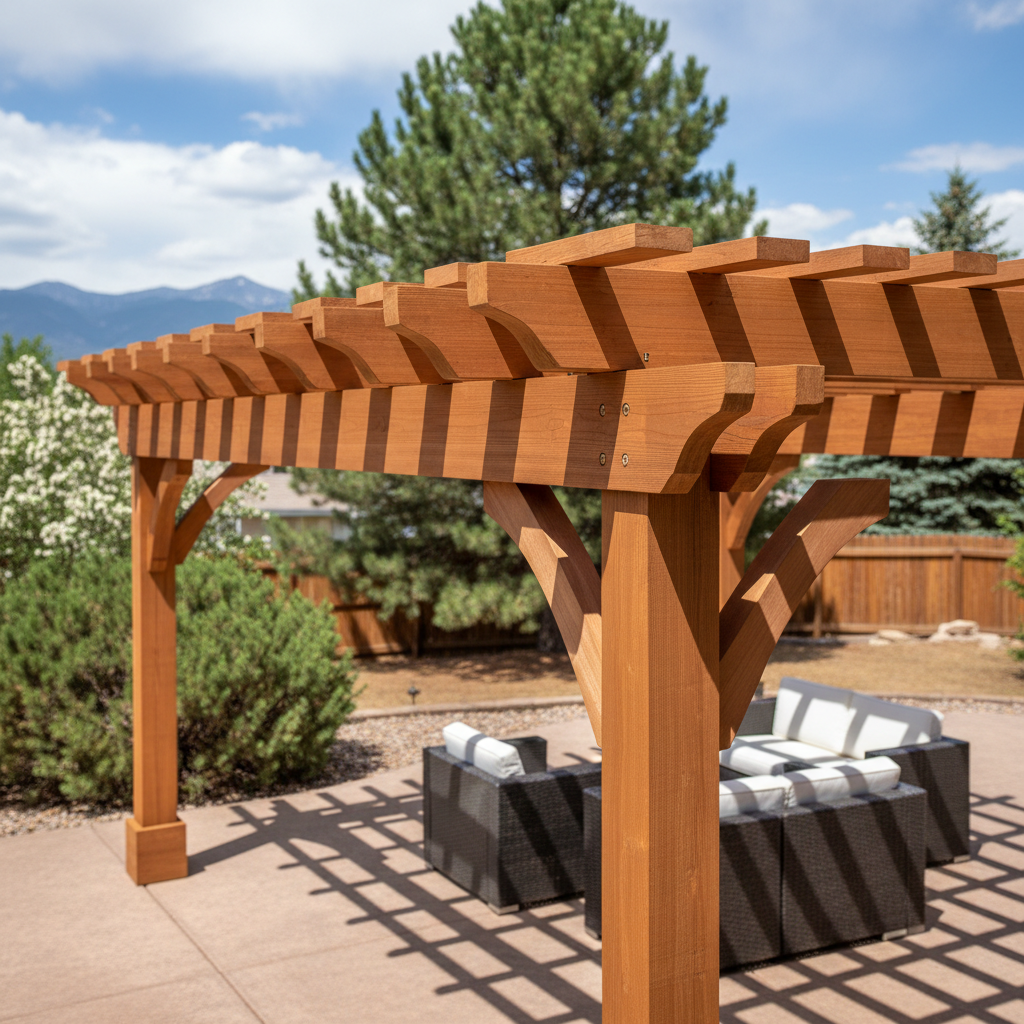
You are looking at your backyard, maybe sipping a coffee, and thinking, "Man, this space could really use a pergola." This is a great idea. A well-built pergola can totally transform your outdoor living area here in Denver. It adds shade as well as style as well as a defined space for entertaining or just chilling out. But before you jump in, you probably have questions. Our team has been building these things for years. We hear the same stuff all the time. So, let us get into the important details about pergola construction in Denver.
Do I really need a permit for a pergola in Denver?
Alright, let us get this one out of the way first. This is a big one. Yes, you absolutely need a permit for a pergola in Denver. The City and County of Denver is pretty strict about these things. All covered structures, and that includes Pergola Construction projects, require both a zoning permit as well as a building permit. Even if it is an open-top pergola, if it is anchored or structurally supported, you are likely going to need that permit. They want to see site plans as well as structural framing details as well as footing designs as well as connection details. Trust us, trying to skip this step just asks for problems down the road with your Denver Pergola project.
How much does a pergola actually cost in Denver?
This is not a simple answer, but we will give it to you straight. You are probably looking at anywhere from $8,000 to $15,000 for a professionally installed custom pergola in the Denver metro area. Now, if you go for a basic pressure-treated pine model, you might get closer to $5,000. But if you are dreaming of something with motorized louvers or a really custom design, that can push well past $20,000. Labor alone in Denver runs about $50 to $65 per square foot. That is before materials, permits, or any fancy add-ons. Things like size as well as material choice as well as foundation needs as well as any extra features like lighting or built-in seating all play a role in the final price for your Denver Pergola Construction.
What materials hold up best to Colorado weather?
Our Denver weather is no joke. We get intense sun as well as hail as well as heavy snow as well as those crazy freeze-thaw cycles. So, material choice is important. Here is what Quantum Deck Solutions recommends for your Pergola Construction project:
- Cedar: This is a popular choice around here for Denver Pergola Construction. It is naturally resistant to rot as well as insects. It also weathers beautifully. It is lighter in color and performs well in our freeze-thaw cycles. You will still need to stain or seal it every couple of years because of our high UV exposure in Denver.
- Aluminum: If you want low maintenance, aluminum is a fantastic option. It is durable as well as lightweight as well as rust-resistant. It can handle our diverse weather. You can even get it with a wood-grain finish if you like that look without the upkeep.
- Steel: Steel Pergola Construction is super strong as well as durable. Steel pergolas can withstand extreme weather, including heavy snow as well as high winds. They can look a bit more industrial. They are generally more expensive, but they are built to last a long time.
- Vinyl: Vinyl offers uniform color and does not need staining. The downside is less customization. Seams might show in direct sun.
Pressure-treated pine is an entry-level option for Pergola Construction. However, it needs more regular sealing and can be prone to splitting in our Denver climate.
How do you make sure a pergola can handle Denver's snow and wind?
This is where proper engineering as well as construction really matter for your Pergola Construction. For snow, Denver's ground snow load is typically around 30 pounds per square foot (psf). Your pergola needs to be designed to meet or exceed that. That means heavier framing as well as rafters as well as beams than you would see in, say, Florida. For wind, we are talking about designing for speeds up to approximately 115 mph. This is not just about the materials. It is about the connections and how everything is anchored. Posts need to be set in concrete caissons below the frost line. This is about 30 inches deep in Denver. This prevents shifting from our freeze-thaw cycles. We make sure all hardware is rated for uplift as well as lateral forces. Louvered pergolas, especially, need solid engineering to handle wind when closed.
What's the difference between a pergola and a patio cover or gazebo?
This is a good question because people mix these up all the time. A pergola has an open, slatted, or louvered roof. It provides partial shade and lets air as well as some light through. Think of it as defining a space and offering dappled light. A patio cover, on the other hand, has a solid roof. This gives you complete protection from sun as well as rain as well as snow. It is more like extending your home's roofline. A gazebo is typically a freestanding structure with a solid, fully enclosed roof. This offers complete weather protection as well as a more traditional, enclosed feel. The choice really comes down to how much protection you want as well as the look you are going for. Pergolas are great for an open, airy feel. Patio covers or gazebos are better if you need full weather blockage for your Denver home.
Can I attach a pergola to my house or does it have to be freestanding?
You can do both for your Denver Pergola Construction project. An attached pergola extends your indoor living space directly onto your patio or deck. It uses your house's wall framing for support. Just know that attaching it means more scrutiny during the permitting process. The connections to your home are important for structural integrity. A freestanding pergola offers more flexibility in placement in your yard. This might be over a separate seating area or garden path. Freestanding models will need their own solid footings as well as bracing to stand strong against those Colorado winds as well as snow.
What kind of maintenance will my pergola need?
Maintenance really depends on the material you choose for your Pergola Construction. A wooden pergola, especially cedar, will need sealing or staining every two to three years. This protects it from our strong UV rays as well as moisture. This helps prevent warping as well as splitting. It also keeps it looking good. Aluminum as well as steel as well as vinyl pergolas are much lower maintenance. They typically just need occasional cleaning with soap and water to keep them looking fresh. With any pergola, you will want to inspect it annually for any loose fasteners or signs of wear. This is especially true after a heavy snow season or a big windstorm in Denver. Keeping an eye on things will extend its lifespan significantly.
Building a pergola is a solid investment in your home as well as your outdoor lifestyle. It is about creating a space you will genuinely love and use for years. If you are ready to talk specifics for your Denver home, give us a shout at Quantum Deck Solutions. We are here to help you get your Pergola Construction built right.