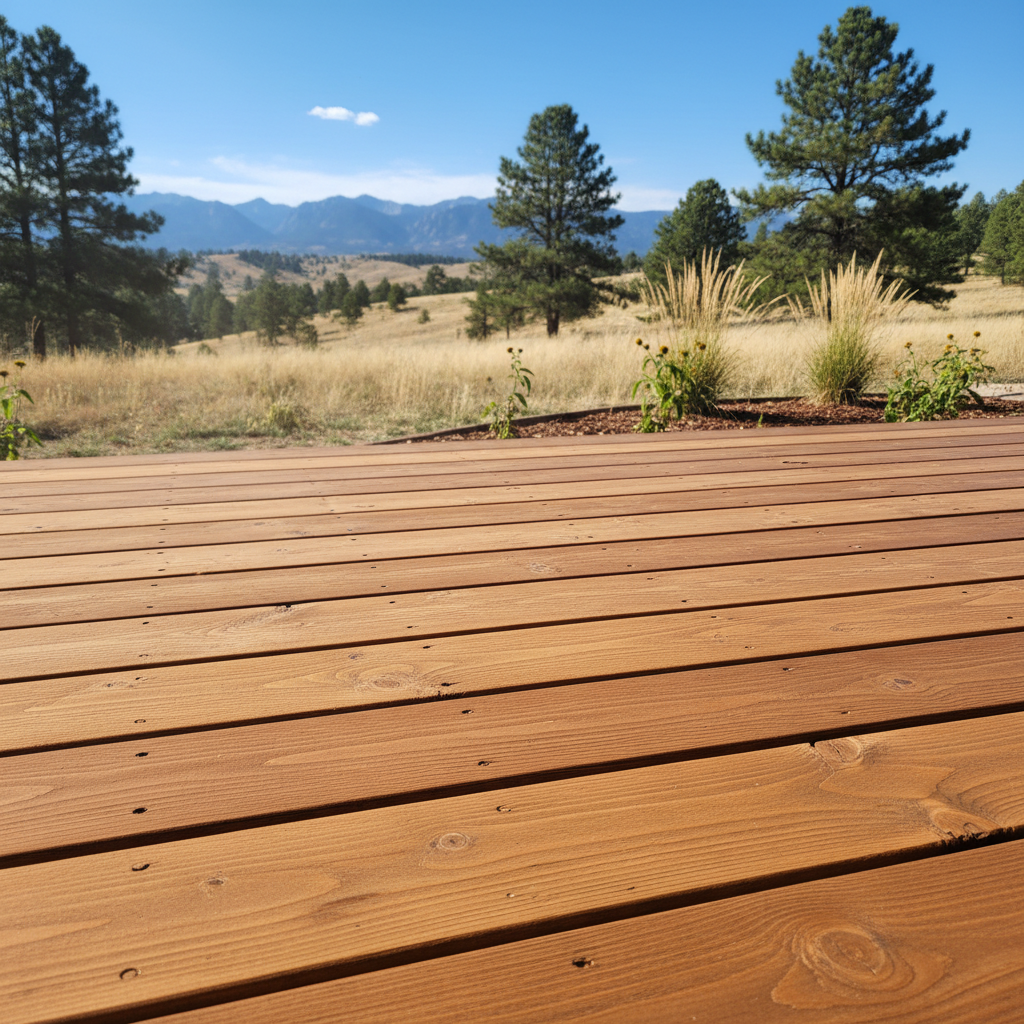
So, you're looking at your deck and thinking it needs a facelift, huh? Maybe it's looking a little faded, or the color's just not doing it for you anymore. Painting or staining your deck can make a huge difference, but it's not a small job, and you want to do it right the first time. I've seen plenty of decks around Denver, from old bungalows in Platt Park to newer builds out in Stapleton, and the truth is, a good finish protects your investment.
Before You Even Think About Paint or Stain
First things first: you can't just slap a new coat on top of old, dirty wood. That's a recipe for peeling, uneven color, and a whole lot of frustration down the road. Prep is probably the most important part of this whole process. If you skip it, you're just wasting your time and money.
- Clean it thoroughly: You'll need a good deck cleaner and a stiff brush. Get rid of all the dirt, grime, mildew, and algae. A pressure washer can be your best friend here, but be careful not to use too high a setting or hold it too close, especially on older wood. You can splinter the surface and really mess things up.
- Strip old finishes: If your deck has an old, peeling paint or stain job, you've got to strip it. This is where a lot of DIYers get overwhelmed. Chemical strippers work, but they're messy and require careful handling. Sometimes, sanding is a better bet, or a combination of both. You want a clean, bare wood surface for the new finish to adhere to.
- Sand it smooth: Once it's clean and dry, give it a good sanding. Start with a coarser grit (like 60 or 80) if the wood is rough, then move to a finer one (100 or 120) for a smooth finish. This opens up the wood pores so your new stain or paint can really soak in. Don't forget to sweep or vacuum up all that dust.
- Repair any damage: Before you seal it all in, check for loose boards, popped nails, or rotten spots. Replace anything that's compromised. It's much easier to fix these things now than after you've applied a fresh coat.
Choosing Your Finish: Paint vs. Stain
This is a big decision, and it really depends on the look you're going for and how much maintenance you're willing to do down the line. There's no right or wrong answer, just different options.
- Deck Paint: Paint offers a solid, opaque color that completely covers the wood grain. It's great for hiding imperfections in older wood or for a uniform look. The downside? It tends to show wear and tear more, and when it starts to chip or peel, it's a pain to re-do. You're usually looking at stripping it all off again.
- Deck Stain: Stains come in various opacities: clear, semi-transparent, semi-solid, and solid. Clear and semi-transparent stains let the natural beauty of the wood grain show through, which I personally love. They penetrate the wood, offering protection from UV rays and moisture. Solid stains offer more color but still let some texture show. Stains generally wear away rather than peel, making reapplication easier – often just a good cleaning and a fresh coat.
For Denver's intense sun and dry climate, I usually recommend a good quality stain with UV inhibitors. Our high altitude means the sun can be brutal on wood, and a penetrating stain often holds up better long-term than paint, which can bake and peel faster here.
Getting Down to Business: Application Tips
Okay, you've prepped, you've chosen. Now for the fun part. Or the hard part, depending on how you look at it.
- Check the weather: This is critical, especially in Denver where a sunny morning can turn into an afternoon thunderstorm. You need several days of dry weather, with temperatures between 50-85°F. Don't apply in direct, scorching sun, as it can dry too fast and leave lap marks.
- Work in sections: Don't try to do the whole deck at once. Work on a few boards at a time, from one end to the other, to avoid lap marks.
- Use the right tools: A good quality brush is essential for edges and tight spots. Rollers or pad applicators can speed things up on the main deck surface. Always back-brush after rolling to ensure even penetration and avoid puddling.
- Apply thin coats: Two thin coats are always better than one thick one. Let the first coat dry completely according to the manufacturer's instructions before applying the second.
After the Job's Done: Maintenance
You've put in all that work, so protect it! Regular cleaning with a mild deck cleaner will extend the life of your finish. Keep an eye out for any areas that start to look worn or faded, especially in high-traffic spots. Addressing these small areas quickly can prevent you from having to re-do the whole deck prematurely.
When to Call a Pro
Look, I'm a contractor, so I'm obviously going to say there are times you should call us. But it's true. If your deck is severely deteriorated, has extensive peeling paint, or you're just not comfortable with the stripping and sanding process, that's when you call someone like Quantum Deck Solutions. We've got the specialized equipment and experience to get the job done efficiently and correctly. Sometimes, the cost of renting equipment, buying all the chemicals, and the sheer amount of time it takes makes hiring a pro a smarter investment. Especially if you're dealing with a large, multi-level deck, it can be a beast of a job for one person.
Ultimately, a well-maintained deck adds value and enjoyment to your home. Whether you tackle it yourself or bring in the experts, giving your deck the attention it needs will keep it looking great for years to come.