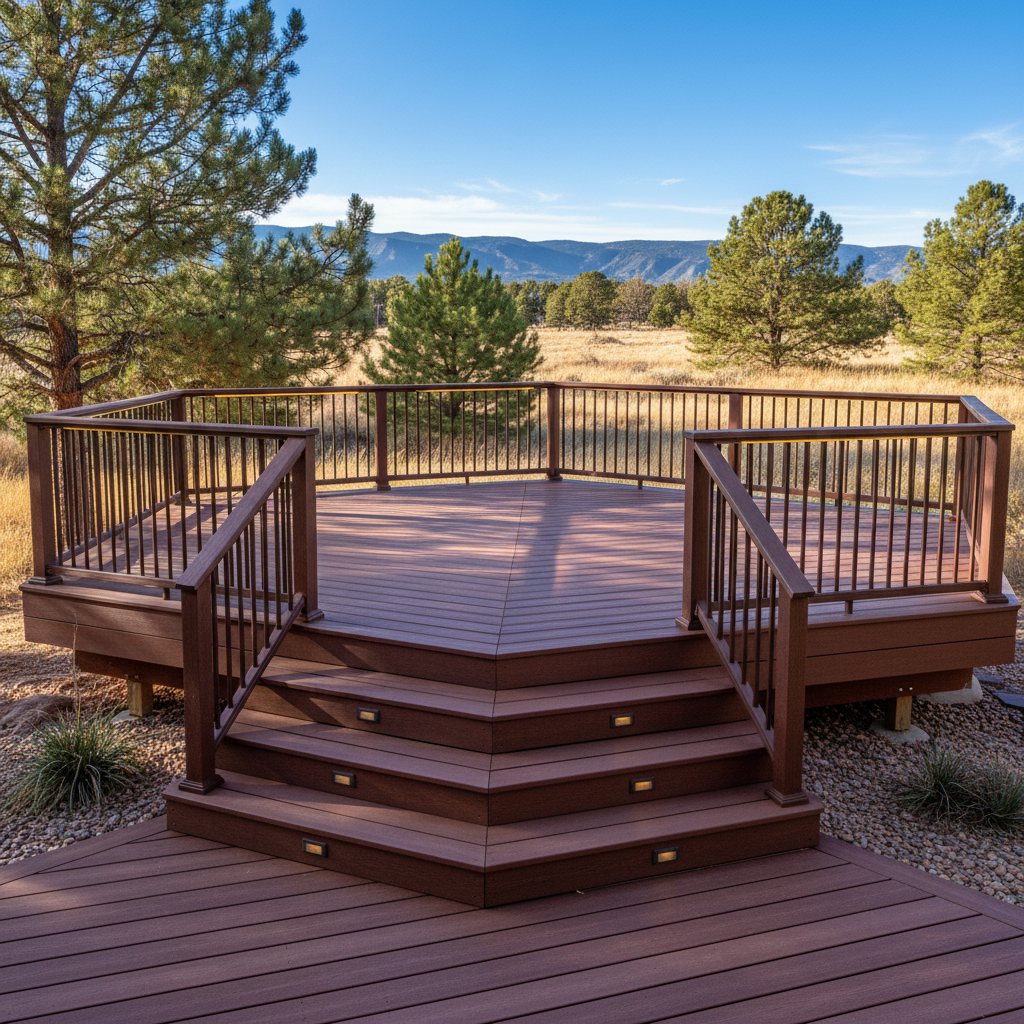
Alright, let's talk Trex decks here in Denver. You're probably dreaming of that low-maintenance outdoor space, somewhere you can kick back and enjoy our 300 days of sunshine without constantly sanding and staining. That's smart. Trex is a great product, no doubt, but only when it's done right. I've seen my share of folks get it wrong, and it usually comes down to a few key mistakes before the first board is even laid. Maybe you've heard some of these before?
Mistake #1: Not Understanding the Permit Process (or Just Ignoring It)
This is a big one, and it's not just a Denver thing, but our city's permitting department can be particular. Some homeowners think, "It's just a deck, how hard can it be?" or "It's small, I don't need a permit." Wrong. Almost any deck project, especially a new build or a significant expansion, requires a permit. And if you're replacing an old wooden deck with Trex, you might assume you can just swap out the boards. Not necessarily. Building codes change, you know. What was up to snuff 20 years ago might not meet today's standards for things like ledger board attachment, footing depth, or railing height. If you build without a permit, or if your contractor does, you could face fines, have to tear it down, or run into major headaches when you try to sell your house down the line. Always ask your contractor about permits. A reputable one will handle it, or at least guide you through the process.
Mistake #2: Focusing Only on the Decking Material Cost
Trex is a premium product, and you know that going in. But some homeowners get so fixated on the price per linear foot of the decking itself that they forget about everything else. The substructure, for example, is critical. You can have the fanciest Trex Transcend boards, but if they're sitting on a shoddy, unlevel, or improperly spaced frame, your deck won't last and it won't look good. I've seen contractors try to cut corners by using untreated lumber for the joists or skimping on proper flashing where the deck meets the house. Here in Denver, with our expansive clay soils and freeze-thaw cycles, proper footings are non-negotiable. You can't just dig a shallow hole and pour some concrete; you need to get below the frost line, typically 30 inches here, to prevent shifting. Don't let a contractor talk you into anything less. The substructure is the backbone of your deck; it needs to be strong.
Mistake #3: Neglecting Proper Drainage and Grading
This is a silent killer for any deck, Trex or otherwise. Water is the enemy of foundations and wood. If your deck design doesn't account for proper drainage away from your house's foundation, you're asking for trouble. I've seen decks built right up against a house with no thought given to how rain and snowmelt will behave. You need a slight slope away from the foundation. Sometimes, this means regrading the area under and around the deck. If water pools under your deck, it can lead to foundation issues for your home, attract pests, and even compromise the deck's footings over time. It's not the sexiest part of the project, but it's one of the most important for longevity.
Mistake #4: Not Vetting Your Contractor Thoroughly Enough
Look, I run Quantum Deck Solutions, and I know what it takes to do a job right. But there are plenty of guys out there who don't. You're inviting someone onto your property, often for a significant investment. Don't just go with the cheapest bid or the first guy who answers the phone. Ask for references, and actually call them. Look at their past work. Make sure they're licensed and insured – this protects you if something goes wrong. A red flag is a contractor asking for a huge upfront payment, say more than 30-50%, before any work starts. Another one? A contractor who can start tomorrow because they have no other jobs. Good contractors are usually busy, after all. Get a detailed contract that spells out everything: materials, timeline, payment schedule, and what happens if there are delays or changes. If they can't provide that, walk away. You're investing in your home, and you deserve a professional who treats it that way.
Mistake #5: Forgetting About the Details (Railings, Lighting, Stairs)
You've picked your Trex color, you've got the layout, but have you thought about the finishing touches? Railings aren't just for safety; they're a huge part of the deck's aesthetic. Trex offers various railing systems that complement their decking, but there are other options too, like aluminum or cable railings. Don't just default to the cheapest option without considering how it will look and feel. And lighting? Essential for evening enjoyment and safety. Integrated post cap lights, stair riser lights, or even under-rail lighting can transform your deck from day to night. Same goes for stairs. Are they wide enough? Are they comfortable to use? Will they be slippery when wet? These small details can make or break your enjoyment of the finished product. Think about how you'll actually use the space, not just how it'll look in a picture.
Building a Trex deck is a fantastic way to enhance your Denver home. Just make sure you're going into it with your eyes wide open, avoiding these common missteps. Your future self, enjoying that beautiful, low-maintenance outdoor space, will thank you.