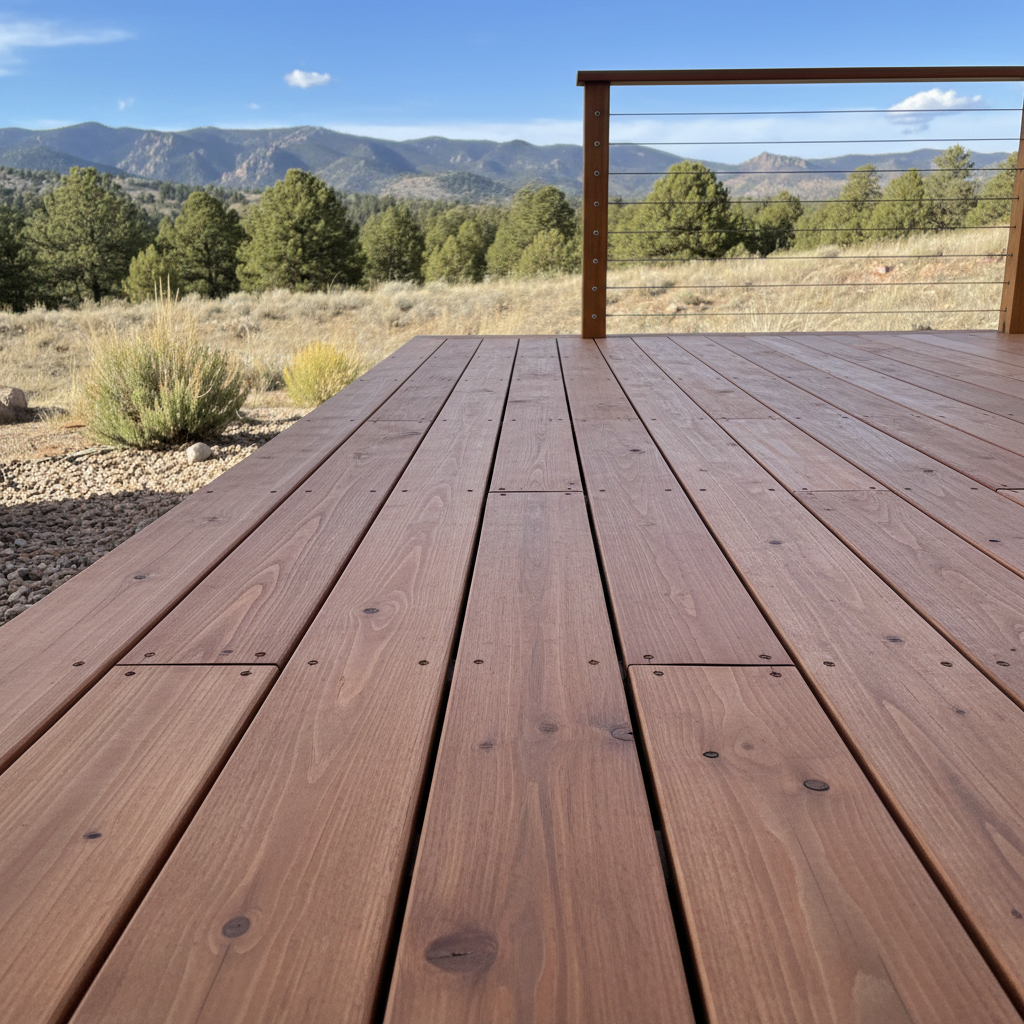
So, you're dreaming of a new deck, huh? Maybe you've got some tools in the garage and you're thinking, 'I can totally build that.' Or maybe you're just wondering what goes into it. Either way, let's talk about building a deck here in Denver, from the ground up.
Before You Even Buy a Single Board
First things first: permits. You absolutely cannot skip this. In Denver, any deck over 30 inches off the ground, or any deck attached to your house, needs a permit. Even if it's just a ground-level patio, if it's got a roof or is over 200 square feet, you're probably looking at a permit. Trust me, trying to build without one is a headache you don't want. The city's pretty good about outlining what you need, but it can be a lot of paperwork. This is one of those areas where a good contractor, like us at Quantum Deck Solutions, can save you a ton of grief because we deal with this stuff all the time.
Next, design. What do you want your deck to look like? How big will it be? What materials? Think about how you'll use it. Will it be for grilling, entertaining, or just a quiet spot for morning coffee? Sketch it out. Think about sun exposure – you don't want to bake in the afternoon sun if you plan to eat dinner out there. And consider the view. Do you want to preserve a mountain view or block out a neighbor?
Then there's your budget. Be realistic. Materials costs have gone up, and labor isn't cheap. Get a few quotes if you're thinking pro, and if you're DIYing, price out every single piece of lumber, fastener, and finish. Don't forget tools you might need to rent or buy.
The Build: What You Can Tackle, What You Probably Shouldn't
Okay, the fun part. Or the hard part, depending on your skill level. Here's where the DIY vs. Pro line gets drawn pretty clearly.
- Demolition: If you're replacing an old deck, tearing it down is often something a homeowner can handle. Just be careful, wear proper safety gear, and make sure you've got a plan for hauling away the debris.
- Footings: This is critical. Your deck's stability depends on good footings. In Denver, with our expansive clay soils, you need to go deep enough to get below the frost line – usually 30-36 inches. If your footings aren't right, your deck will heave and settle, and that's a nightmare. Digging the holes? You can probably do that. Pouring concrete and making sure everything's plumb and level? That's where things get tricky fast. If you're not confident, hire a pro for this part.
- Framing: This is the backbone of your deck. Joists, beams, ledger boards – they all need to be perfectly spaced, level, and securely fastened according to code. This isn't just about aesthetics; it's about structural integrity and safety. If you're an experienced carpenter, go for it. If you've only built bookshelves, this might be over your head. A mistake here can be dangerous.
- Decking Boards: Laying the actual deck boards? This is probably the most DIY-friendly part of the whole project. Measure twice, cut once. Use the right fasteners. Make sure your spacing is consistent. It's repetitive, but satisfying work.
- Railings: Railings are a safety feature, not just decorative. They have to meet specific height and strength requirements. If you're doing a simple rail system, you might be able to manage. For more complex designs or if you're unsure about code compliance, a pro is your best bet.
- Stairs: Building stairs is surprisingly complex. Rise and run need to be consistent, treads need to be level, and stringers need to be cut precisely. This is another area where a small mistake can lead to a big fall.
Honestly, for most homeowners, I'd say framing, footings, and complex stairs are where you really want a professional. The rest, if you're handy and patient, you might be able to tackle. Just remember, safety first, always.
After the Last Nail is In
So, you've got a beautiful new deck. Now what? Maintenance, my friend. Even the best-built deck needs some love to last through our Colorado weather extremes – from scorching summer sun to heavy winter snows. If it's wood, you'll need to clean and seal or stain it regularly, usually every 1-3 years depending on the product and exposure. This protects it from UV damage and moisture. Composite decks are lower maintenance, but they still need occasional cleaning to prevent mold and mildew.
Inspect your deck annually. Look for loose fasteners, rotting boards (if it's wood), or any signs of wear and tear. Address small issues before they become big, expensive problems. Keep the area around and under your deck clear of debris to prevent moisture buildup and pest infestations.
Building a deck is a big project, whether you do it yourself or hire it out. But with proper planning and realistic expectations, you'll end up with a fantastic outdoor living space you can enjoy for years to come.